Mobile Adaptations Reshaping Variant Preferences and Incentive Structures Under Finnish Oversight
Kirjoittanut Uma Klein · 28.8.2026
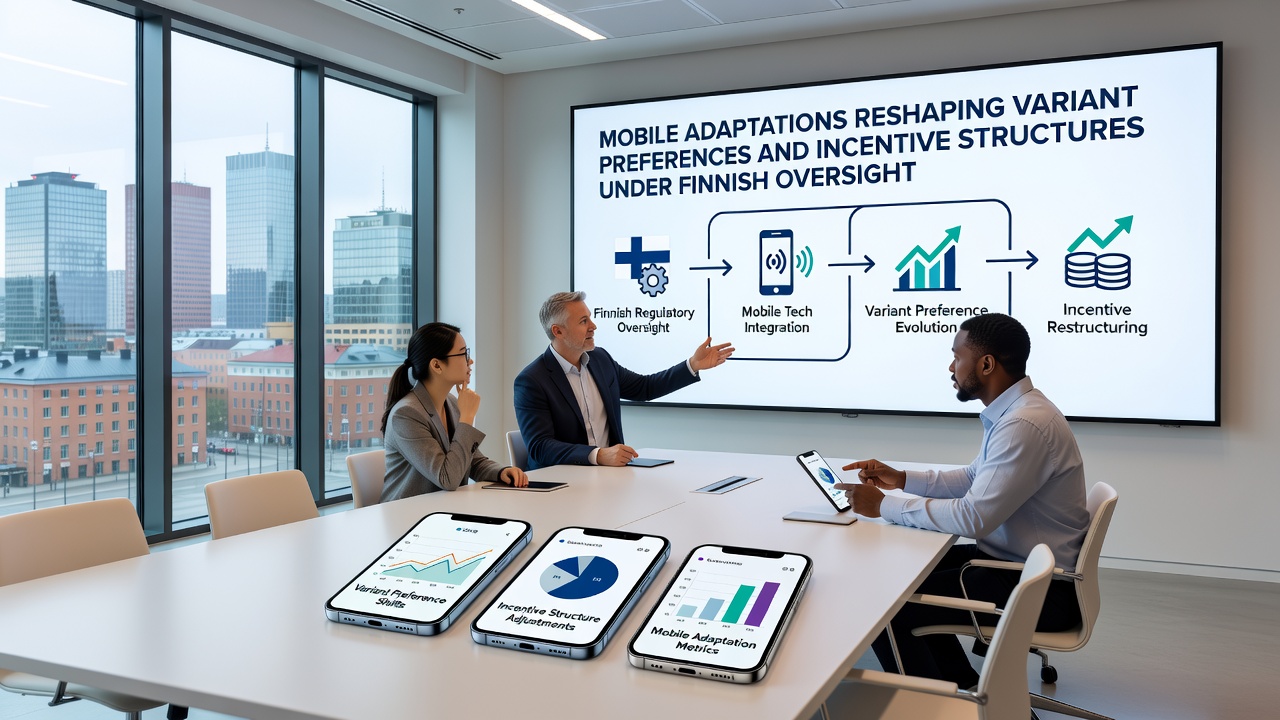
Mobile Adaptations Reshaping Variant Preferences and Incentive Structures Under Finnish Oversight
Finnish gambling oversight has adapted to widespread mobile usage since the early 2020s, with regulators monitoring how device-specific features alter player selections among game variants and reshape the design of promotional incentives. Data collected through licensed operators shows that touch-screen interfaces favor variants with streamlined betting options and quicker round cycles, while traditional formats requiring more complex inputs see reduced engagement on smaller screens.
Regulatory Context in Finland
The Lotteries Act and related amendments establish strict parameters for mobile offerings, requiring operators to maintain equivalent standards across platforms while complying with age verification and spending limit tools that function seamlessly on smartphones. Figures from the Finnish Ministry of the Interior indicate that mobile sessions accounted for over 70 percent of total gambling activity by mid-2025, prompting adjustments in how variant availability and bonus terms are presented to users. These rules emphasize transparency in incentive structures, mandating clear display of wagering requirements and expiry conditions regardless of access method.
Shifts in Variant Preferences Driven by Mobile Features
Mobile adaptations have influenced which roulette and table game variants gain traction among Finnish players, with data indicating a move toward simplified layouts that accommodate portrait orientation and one-handed operation. Researchers at the University of Helsinki documented in a 2025 report that variants featuring auto-adjusting bet sizes and reduced animation loads experienced higher retention rates on mobile compared to desktop counterparts. One analysis of operator logs revealed that players accessing via smartphones selected European roulette variants 35 percent more frequently than American versions, partly because mobile interfaces highlight single-zero wheels more prominently in search results and quick-play menus.
Accelerometers and gesture controls have further encouraged preferences for interactive elements such as swipe-to-spin mechanics, which some developers integrated into live dealer streams to maintain engagement during shorter mobile sessions. Evidence from industry tracking services shows that these technical adjustments correlate with increased play of variants that support multi-table viewing, allowing users to monitor several games simultaneously without overwhelming the device display.
Adjustments to Incentive Structures
Bonus designs have evolved under Finnish oversight to account for mobile usage patterns, with operators introducing time-limited rewards that activate based on session length rather than total wager volume. According to findings from the Canadian Centre for Gaming Research, such structures better align with fragmented mobile play sessions that average under 15 minutes, compared to longer desktop engagements. Finnish regulators require that all promotional terms remain consistent across devices, yet mobile-specific notifications and push-based reminders have become standard tools for delivering personalized incentives without violating advertising restrictions.
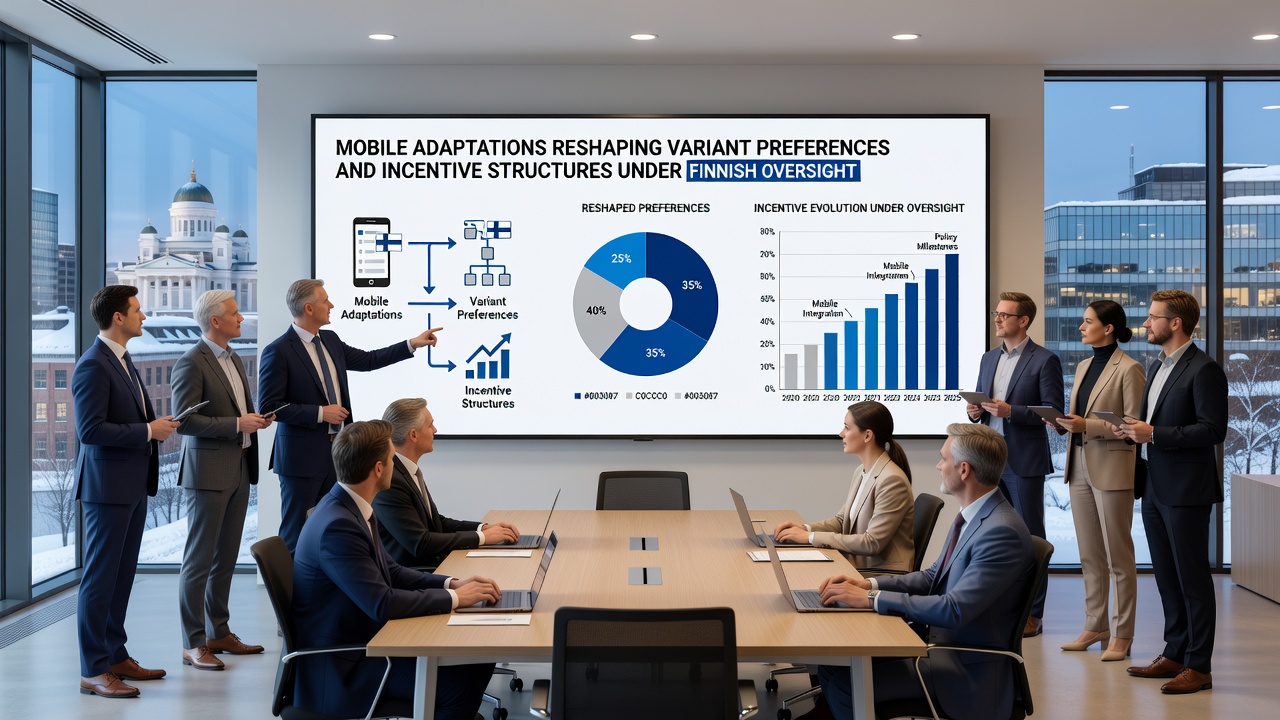
Loyalty programs now incorporate device-type tracking to adjust reward tiers, granting mobile users faster accumulation of points through features like daily login streaks that sync across apps. Reports compiled by the Australian Gambling Research Centre highlight similar patterns in other regulated markets, where mobile incentives tied to location-based verification have increased compliance rates while maintaining player interest in specific variants. These adaptations occur within the bounds of Finnish licensing conditions that prohibit cross-border targeting and enforce strict limits on bonus value relative to deposit amounts.
Developments Projected for August 2026
Regulatory updates scheduled for implementation in August 2026 aim to standardize mobile data reporting across operators, requiring detailed breakdowns of variant performance segmented by device category. Officials expect these measures to provide clearer insights into how touch interfaces continue to steer preferences toward faster-paced options and how incentive delivery methods influence retention metrics. Preliminary consultations indicate that new guidelines will also address integration of augmented reality elements in mobile variants, ensuring such features meet existing fairness and transparency criteria before wider deployment.
Industry observers note that these forthcoming changes build on existing oversight frameworks, which already mandate testing of mobile-optimized games through accredited laboratories to confirm random number generator integrity under variable network conditions.
Conclusion
Mobile adaptations continue to interact with Finnish regulatory requirements in ways that reshape both variant selection patterns and the architecture of incentive programs, as evidenced by operator data and academic analyses through 2025. Continued monitoring ahead of the 2026 updates will clarify the extent of these influences across the licensed market.